Inventory User Access Control Warehouse Location Restrictions And Access Rules
Managing inventory across multiple warehouses and storage locations can become challenging when different employees require access to different stock locations. The Inventory User Access Control Warehouse Location Restrictions and Access Rules Odoo App helps businesses establish strict warehouse access controls by assigning location-based permissions to users, administrators, and warehouse managers.
This application allows organizations to restrict users from viewing or managing inventory outside their authorized locations. By implementing warehouse location restrictions, businesses can improve security, maintain inventory accuracy, and ensure that employees only access stock information relevant to their responsibilities.
The module is especially useful for companies operating multiple warehouses, branches, distribution centers, manufacturing facilities, retail stores, and logistics operations where inventory access must be controlled according to employee roles and responsibilities.
Also Read: Overview of Stock Inventory & Warehouse Management Analysis Reports
Why Warehouse Location Access Control is Important
In many organizations, inventory data is sensitive and directly impacts purchasing, sales, production, and logistics operations. Allowing unrestricted access to all stock locations can lead to operational confusion, unauthorized stock transactions, and inventory management errors.
Warehouse location access control helps organizations:
- Restrict access to authorized locations only.
- Improve inventory security.
- Reduce operational mistakes.
- Protect sensitive warehouse information.
- Simplify warehouse management processes.
- Maintain accurate inventory records.
- Improve employee accountability.
- Support multi-warehouse inventory operations.
- Control stock visibility based on user roles.
- Enhance overall inventory governance.
By implementing warehouse access restrictions, businesses can create a more structured and secure inventory management environment.
Features
1) User, Administrator and Super Warehouse Manager Access Rights
User have to assign access rights as normal user, administrator and super warehouse manage for stock location and warehouse.
2) Allow Locations to User
User can access only allowed locations and its child locations with related documents.
Super Warehouse Manager Access Rights
Super warehouse manager have access to all locations and related documents.
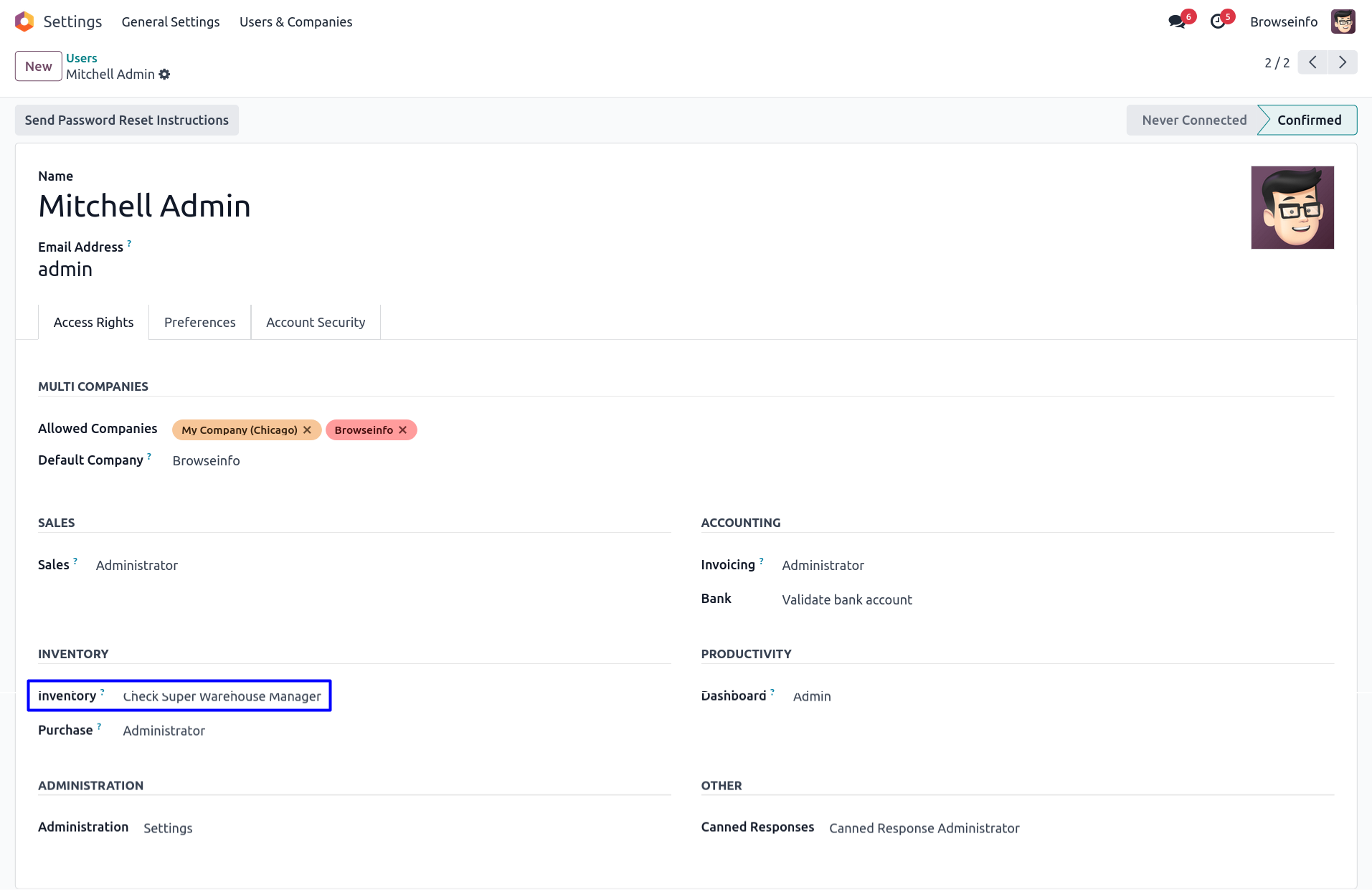
User have to select the available locations in 'Preferences' tab.
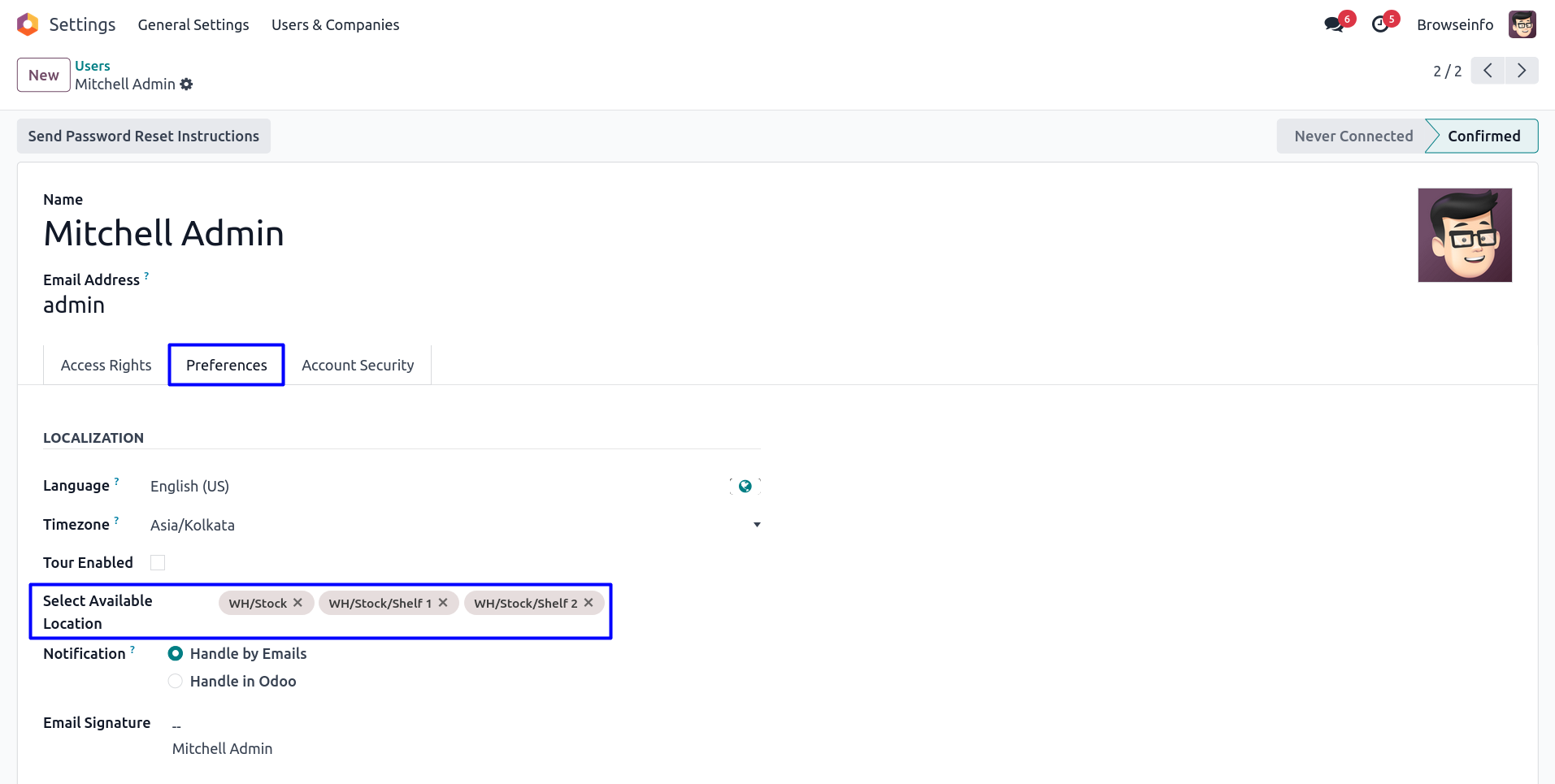
Administrator Access Rights
Administrator or user have access to available locations and all its child locations with related documents.
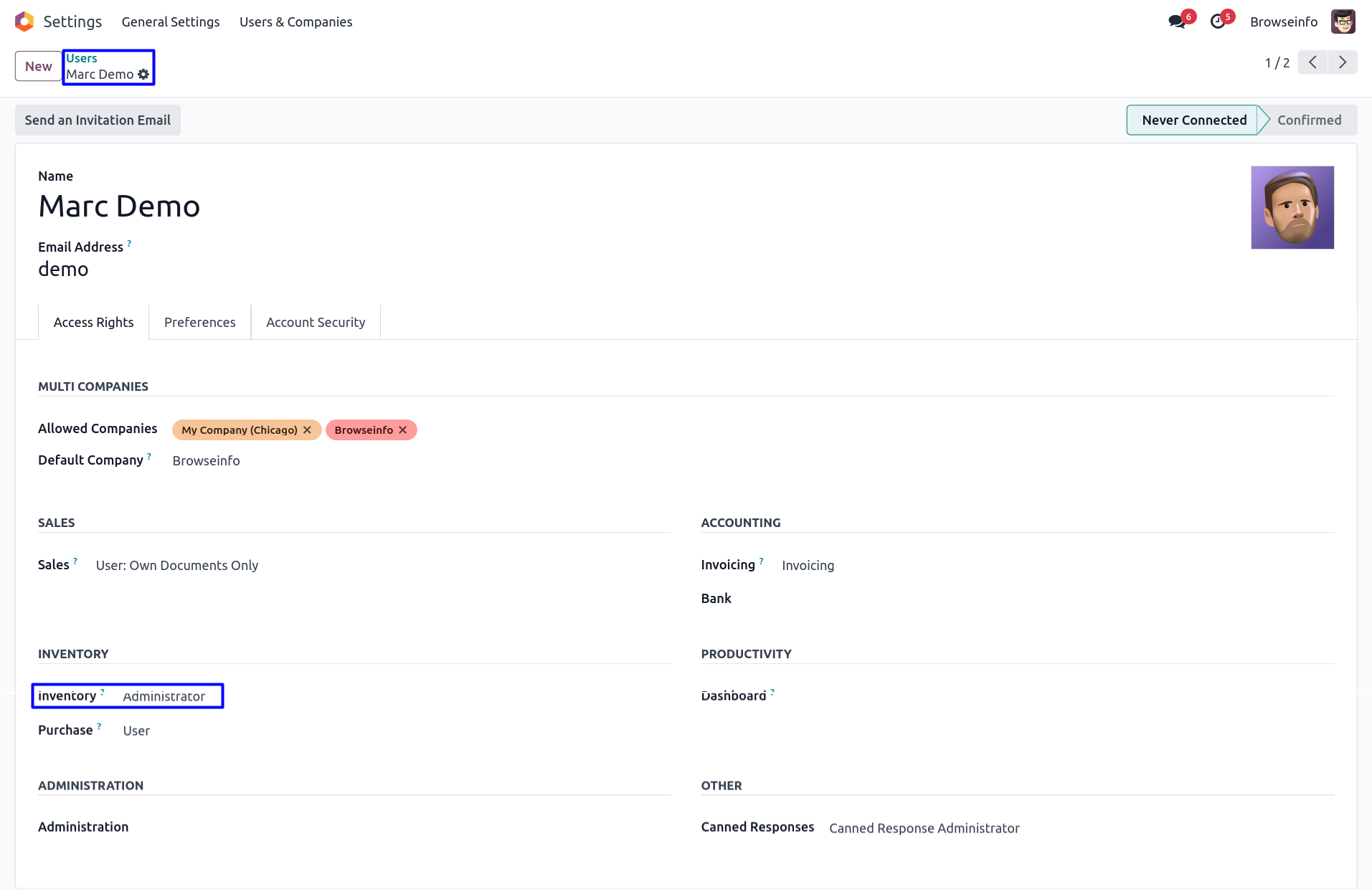
User have to select the available locations in 'Preferences' tab.
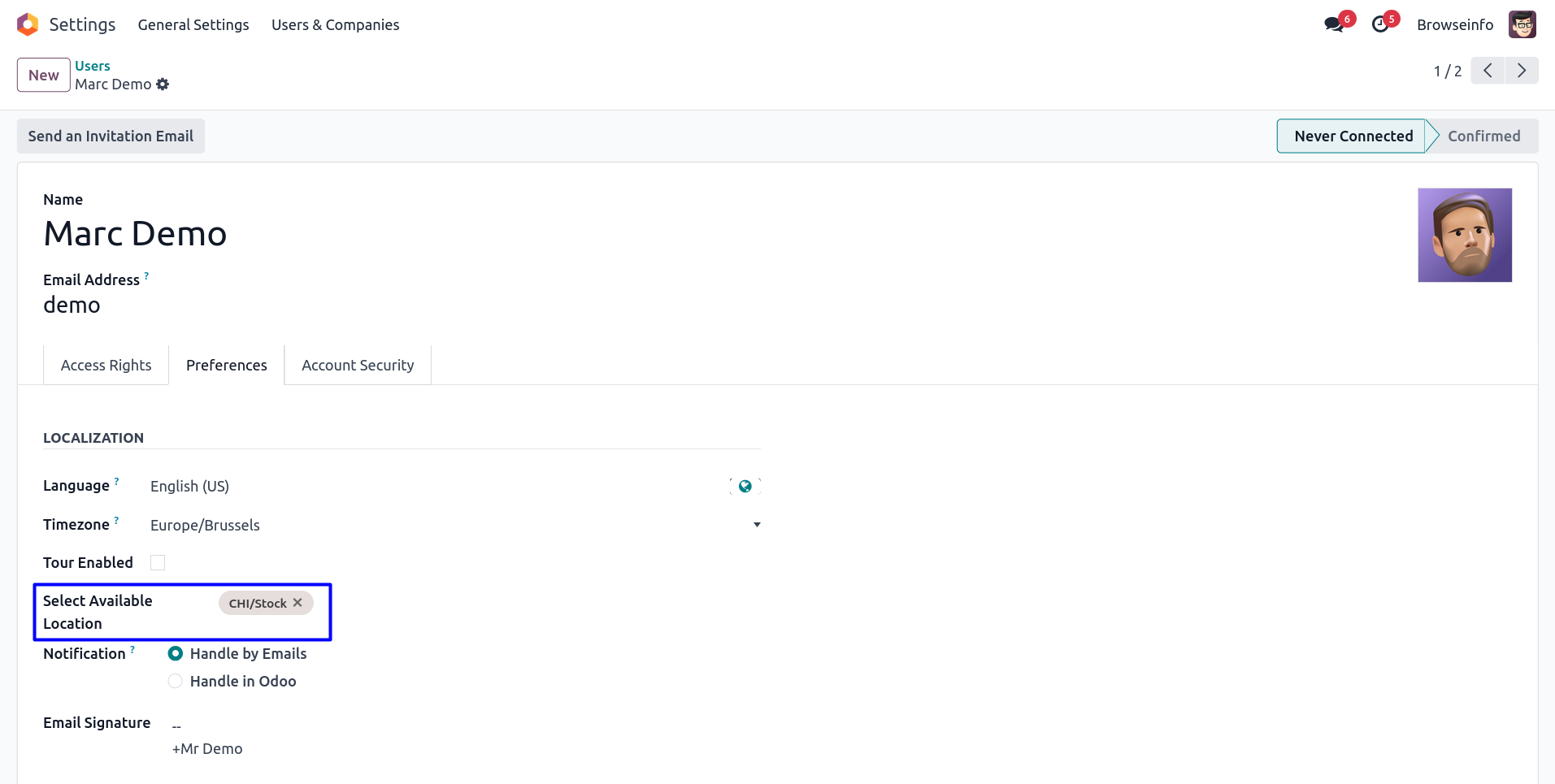
Set User Access on Locations
In specific locations, User can view allowed own users should be automatically set.
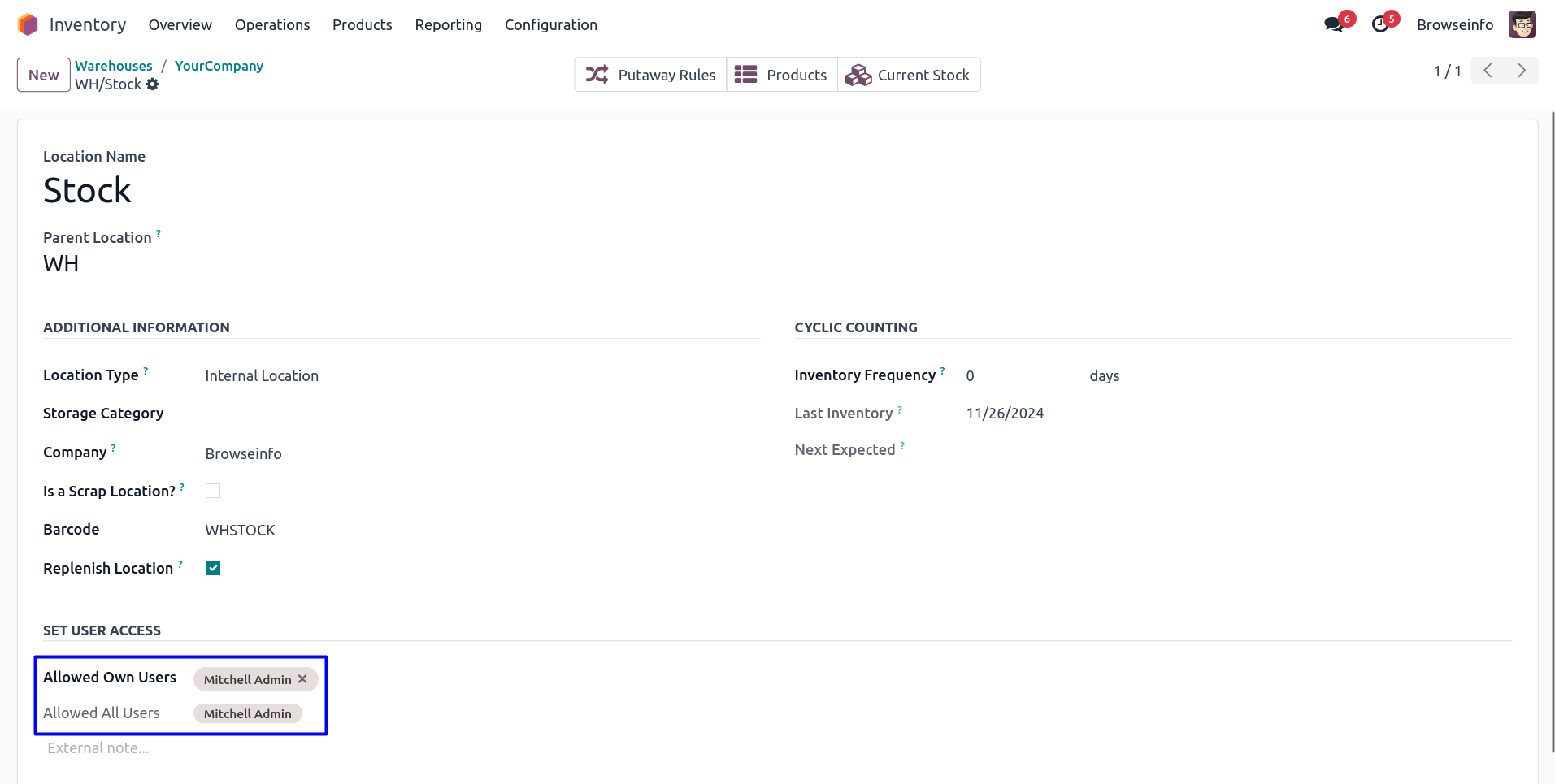
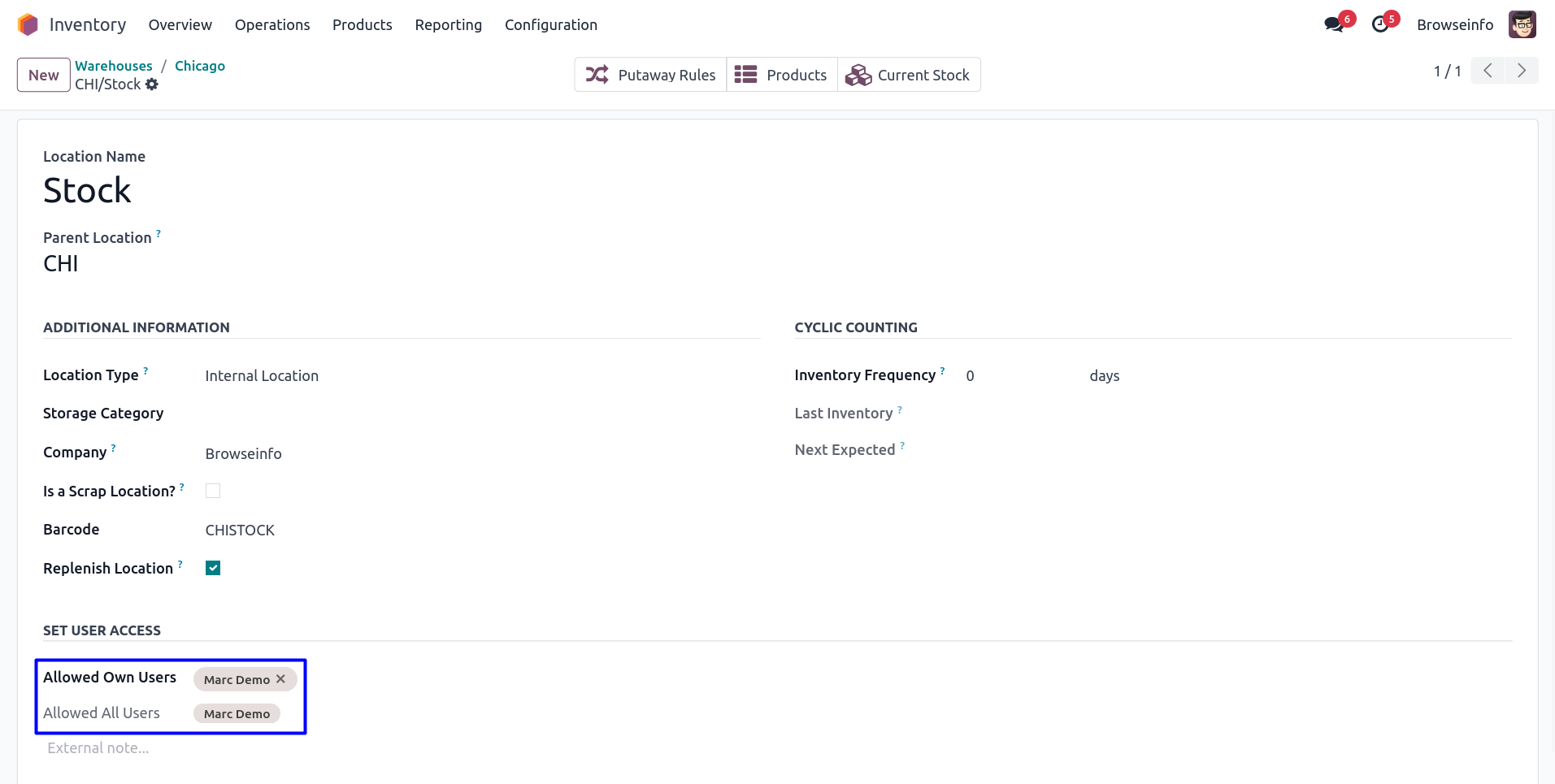
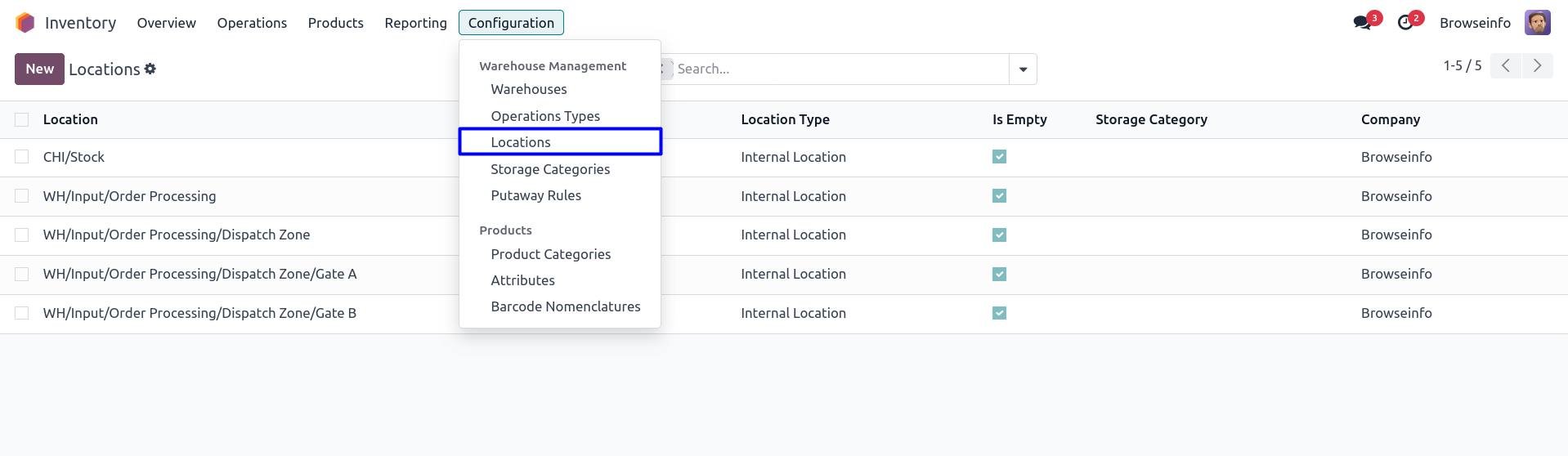
Show Allocate Location
Administrator and user will be show only allocate location in stock location and warehouse.
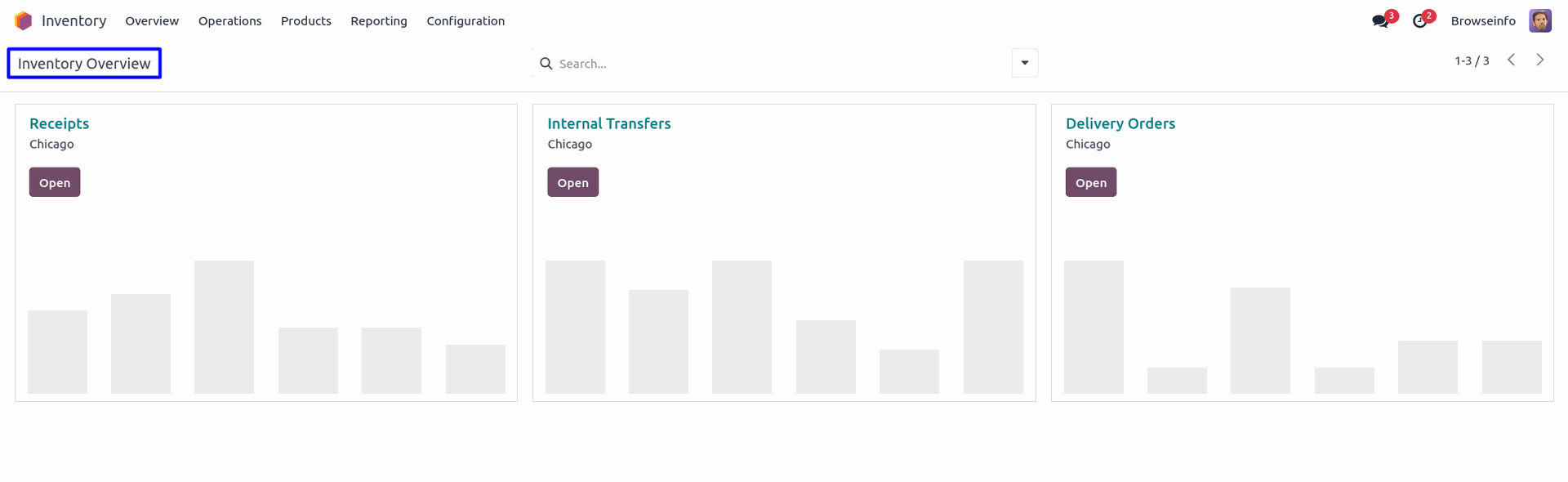
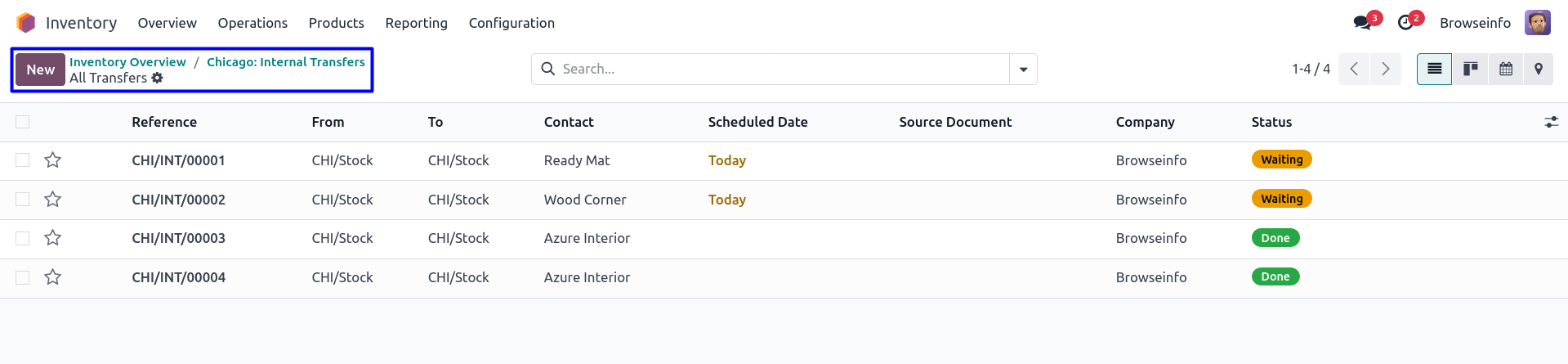
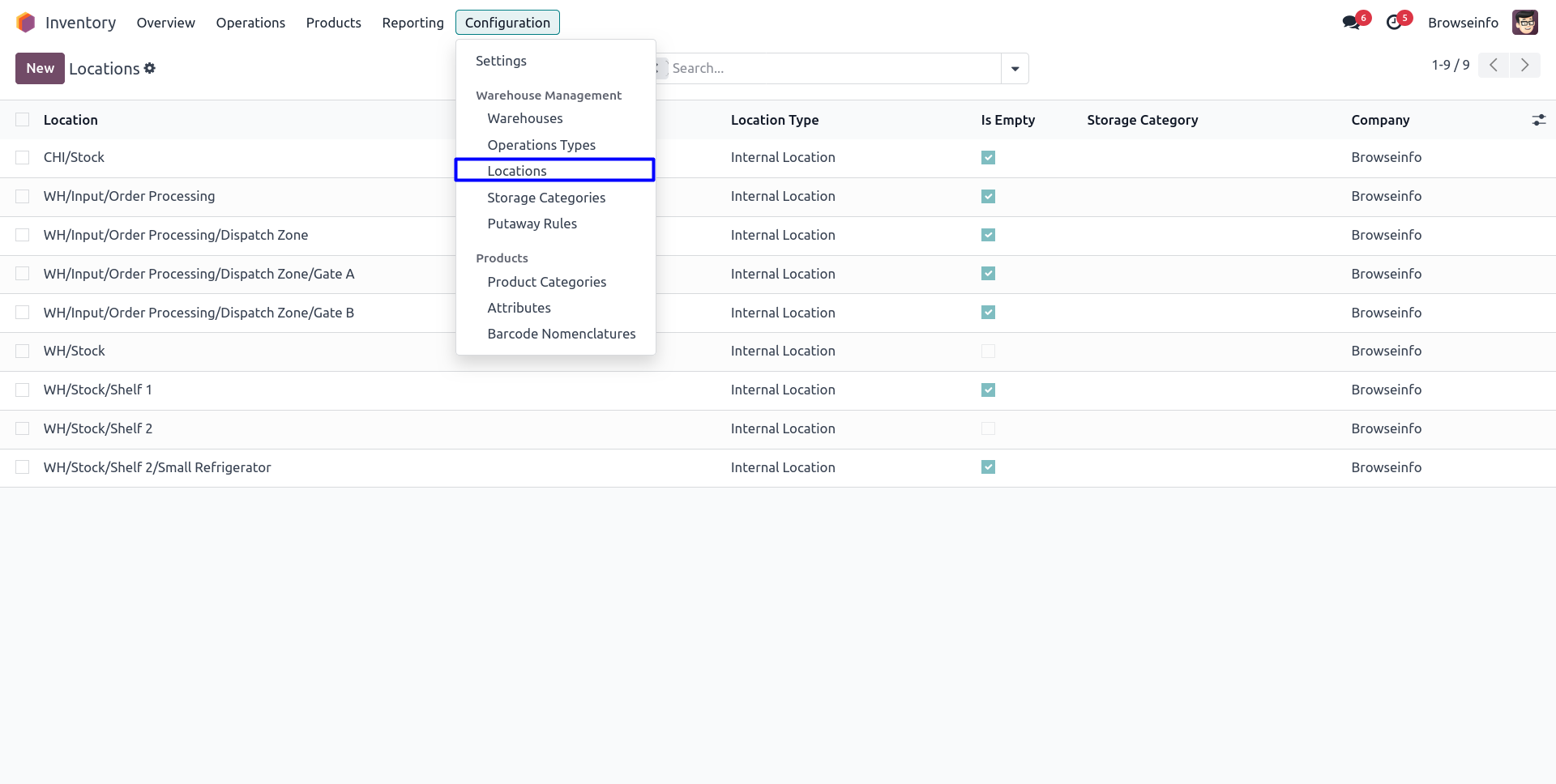
Show All Location
Super warehouse manager will be show all location in stock location and warehouse.
Role-Based Inventory Access Management
The application introduces role-based inventory management that allows businesses to define different levels of access according to employee responsibilities.
Available Access Levels
| Access Level | Description |
|---|---|
| User | Access only assigned locations and related inventory documents. |
| Administrator | Access assigned locations and all child locations. |
| Super Warehouse Manager | Access all warehouse locations and inventory records. |
This structured permission system ensures that users can only perform actions relevant to their assigned warehouse responsibilities.
Benefits of Warehouse Location Restrictions
| Benefit | Description |
| Improved Security | Restrict unauthorized access to inventory locations. |
| Better Inventory Control | Ensure users only manage assigned stock locations. |
| Reduced Human Errors | Prevent accidental modifications in unauthorized warehouses. |
| Enhanced Accountability | Track inventory activities by authorized personnel. |
| Multi-Warehouse Support | Manage access across multiple warehouses efficiently. |
| Improved Data Accuracy | Reduce inventory inconsistencies caused by unrestricted access. |
| Operational Efficiency | Simplify warehouse workflows and responsibilities. |
| Better Compliance | Support internal inventory control policies. |
| Controlled Document Visibility | Restrict access to inventory-related documents. |
| Scalable Permission Management | Easily manage growing warehouse operations. |
How Warehouse Location Restrictions Work
The application allows administrators to define specific stock locations that users can access. Once assigned, users can only view inventory transactions, stock quantities, warehouse operations, and related documents associated with their permitted locations.
When users attempt to access warehouse data, the system automatically filters information according to assigned permissions.
This ensures:
- Secure inventory access.
- Controlled warehouse visibility.
- Improved operational transparency.
- Simplified stock management.
Common Warehouse Security Challenges Solved by This Module
As businesses expand their warehouse operations, managing inventory access becomes increasingly complex. Without proper warehouse access restrictions, organizations often encounter security risks, inventory discrepancies, and operational inefficiencies.
The Inventory User Access Control Warehouse Location Restrictions and Access Rules module addresses several common warehouse management challenges.
Unauthorized Inventory Access
One of the most common issues in warehouse environments is unrestricted inventory access. Employees who do not require access to certain warehouse locations may still be able to view or modify inventory data. This can result in confusion, accidental stock changes, or security concerns.
By implementing location-based access rules, businesses can ensure that users only access information relevant to their responsibilities.
Inventory Data Exposure
Inventory information often contains sensitive operational data such as stock levels, warehouse quantities, product availability, and internal stock movements. Restricting access helps protect this information from unauthorized users.
Operational Complexity
When users can view all warehouses and stock locations, navigation becomes more complicated. Limiting visibility to assigned locations simplifies daily warehouse operations and improves productivity.
User Accountability
Role-based permissions help organizations identify who is responsible for inventory activities within specific locations. This improves accountability and simplifies internal auditing processes.
Why Businesses Choose This Module
Organizations select the Inventory User Access Control Warehouse Location Restrictions and Access Rules module because it provides a practical solution for controlling inventory visibility and warehouse operations.
Key reasons include:
- Easy user configuration.
- Flexible warehouse permission management.
- Support for multi-location businesses.
- Improved inventory security.
- Better operational control.
- Simplified warehouse administration.
- Reduced inventory errors.
- Enhanced user accountability.
- Scalable access management.
- Seamless integration with Odoo inventory workflows.
The module delivers the level of control required by modern warehouse operations while remaining easy to configure and manage.
Multi-Warehouse Inventory Management
Organizations operating multiple warehouses often face challenges in controlling inventory visibility across locations. The Inventory User Access Control App helps businesses manage warehouse operations by restricting user access according to warehouse assignments.
Common Multi-Warehouse Challenges Solved
| Challenge | Solution |
| Unauthorized warehouse access | Location-based permission control |
| Excessive inventory visibility | Restricted warehouse data access |
| Inventory management confusion | Role-based location allocation |
| Data security concerns | Controlled stock access |
| User accountability issues | User-specific warehouse permissions |
This approach improves inventory governance while maintaining flexibility for warehouse operations.
Warehouse Access Control for Different Industries
The application can be used across various industries where inventory security and warehouse control are essential.
Manufacturing
Control access to raw material warehouses, production locations, and finished goods storage areas.
Retail
Restrict employees to assigned store warehouses and stock locations.
Wholesale Distribution
Manage warehouse visibility across distribution centers and regional warehouses.
E-commerce
Control inventory access for fulfillment teams and warehouse operators.
Logistics
Assign warehouse permissions based on operational responsibilities.
Pharmaceutical
Protect sensitive inventory by restricting warehouse access to authorized personnel.
Automotive
Manage access to spare parts warehouses and storage locations.
Business Benefits
Implementing warehouse location restrictions provides significant operational benefits:
- Improved warehouse security.
- Better inventory accuracy.
- Controlled stock visibility.
- Enhanced user accountability.
- Reduced inventory management errors.
- Faster warehouse operations.
- Better compliance with company policies.
- Simplified inventory administration.
- Efficient multi-location management.
- Increased operational transparency.
Conclusion
The Inventory User Access Control Warehouse Location Restrictions and Access Rules Odoo App provides a powerful solution for businesses seeking secure, role-based warehouse management. By controlling inventory visibility, restricting warehouse access, and implementing location-based permissions, organizations can improve inventory accuracy, enhance security, and streamline warehouse operations. Whether managing a single warehouse or a complex multi-location inventory network, this solution helps businesses maintain complete control over stock access and warehouse activities.
